What to Do With an Inherited Texas Property
An inherited house in Texas usually arrives with a legal question attached, and answering it first saves months. The question is not what the house is worth. It is whether you currently have the authority to sell it.
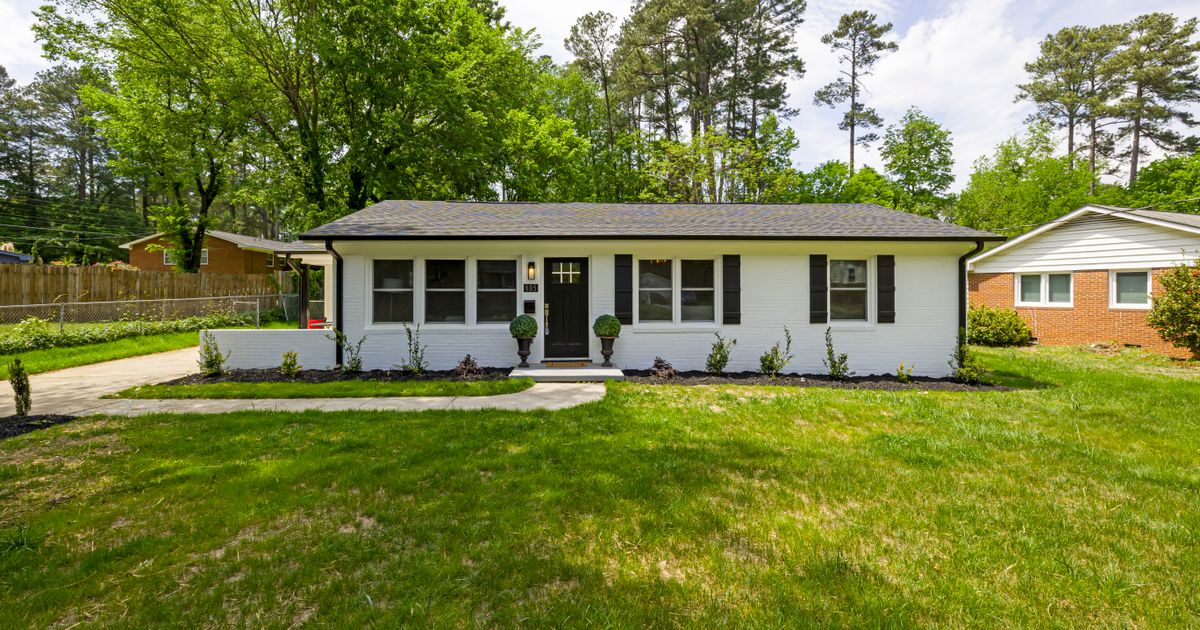
A buyer's title company will want proof that ownership passed properly. How you establish that depends on how the estate was handled. If there is a will and it goes through probate, the executor named in it generally has authority once the will is admitted and letters testamentary are issued. Texas offers independent administration, which is meaningfully less burdensome than the court supervised process common elsewhere, and it is a large part of why Texas probate has a better reputation than its counterparts.
If the property was held in a living trust, the trustee can usually sell without probate at all. If there was no will, the Texas Estates Code decides who inherits, and the answer depends on the family structure and on whether the property was community or separate property. It is entirely possible for four or five relatives to end up owning undivided fractional interests in one house, and ordinarily every one of them has to sign.
Where no probate has occurred and the facts are simple, an affidavit of heirship recorded https://collinijgb021.scriblorax.com/posts/10-texas-homestead-protection-and-forced-sale in the county real property records is sometimes used to establish the chain of title. Whether a title company will accept one and insure over it varies, so confirm that early rather than at closing.
The tax position is usually better than people fear. Inherited property generally receives a stepped up basis to fair market value at the date of death, so the decades of appreciation the deceased enjoyed are typically not taxed to the heirs. Selling near that value often produces little or no taxable gain. Get a defensible date of death valuation, because that figure is what the basis rests on, and confirm the treatment with a tax professional.
Meanwhile the house costs money. Property taxes continue. Insurance is a particular trap, because a standard homeowner's policy may not properly cover a vacant property and a vacancy endorsement or separate policy is often needed. In the Texas climate an air conditioning failure in an empty house invites mold quickly, and a plumbing leak nobody is there to notice does real damage.
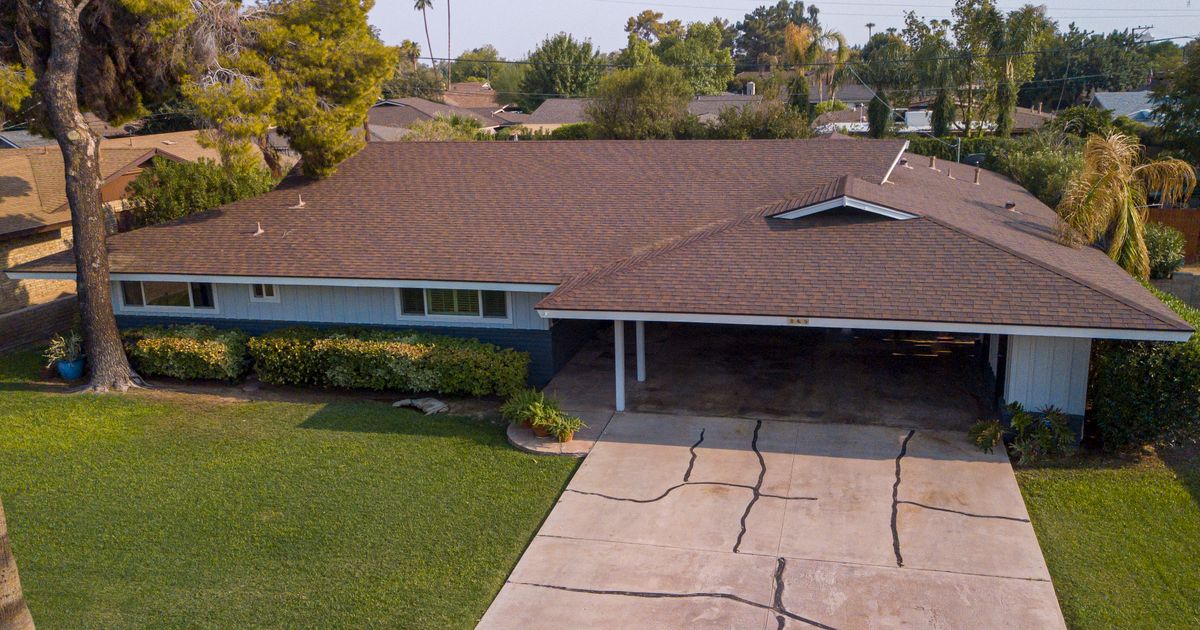
So the order of operations matters. Establish who has authority to sell and confirm it with a title company. Insure the property correctly for vacancy. Get the date of death valuation. Determine what it is worth in its current unrepaired condition. Only then compare listing it against selling it directly. Doing these out of order is what turns a straightforward inheritance into an eighteen month problem.